Is Furnished Student Housing Worth It? How FSU Dorms and Off-Campus Apartments Compare
Is furnished student housing worth it? Here’s what FSU dorm rates cover, how to compare a semester rate with monthly rent, and what to ask before you decide.
Is furnished student housing worth it at FSU?
It depends on what the price includes. Furnished student housing is worth it when the furniture, utilities and services built into the rate are things you’d otherwise pay for separately. FSU dorms and off-campus apartments price things differently, though, so put them on the same timeline before you compare the numbers.
Key takeaways
- FSU dorm rates are quoted per semester; apartment rent is usually per month. Convert before you compare.
- A dorm contract covers fall and spring. A lot of apartment leases run 12 months, summer included.
- FSU’s rate includes electricity, water and internet. Off campus, ask what your rent covers.
- In FSU’s suite doubles and suite singles, the bathroom is shared.
- “Furnished” can mean very different things, so get the full list in writing.
- Location and study space matter more by midterms than they seem on a tour
What Does “Furnished” Actually Mean?
It means the main furniture is already there, so you don’t buy, move or store a bed, desk or dresser. Beyond that, the word covers a lot of ground.
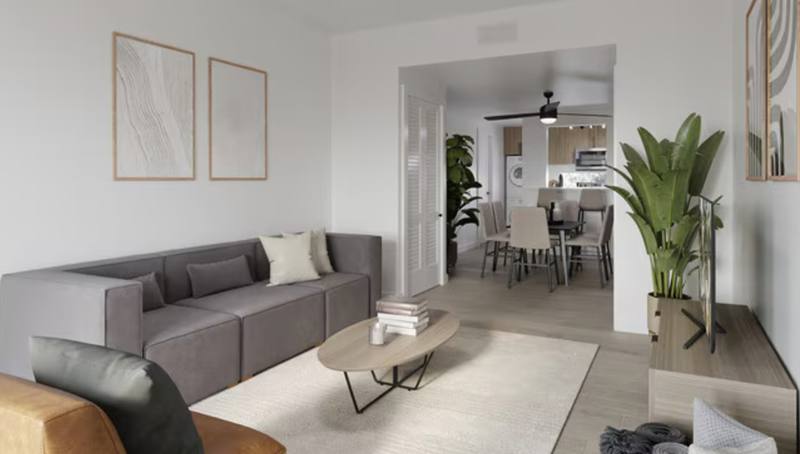
An FSU residence hall room comes with a bed, dresser, desk, chair and refrigerator. A furnished apartment usually adds shared living space, such as a couch, a dining table and a kitchen. Two places can both say “furnished” and still include very different things, which is why the full list matters more than the label.
Dorm vs. Off-Campus at a Glance
FSU residence hall | Furnished off-campus apartment | |
How it’s priced | Per person, per semester | Usually per month |
What the rate includes | Furnished room, electricity, water, RESNet internet, maintenance, custodial | Depends on the lease; ask about utilities and internet |
Time covered | Fall and spring (summer is separate) | Often 12 months |
Bathroom | Shared in suite doubles and suite singles | Depends on the floor plan; some have one per bedroom |
Agreement | University housing contract | Private lease, often by the bed |
Location | On campus | Near campus; distance differs |
How Much Do FSU Dorms Cost in 2026–27?
FSU sets its rates by room type and publishes them per person, per semester. A few common examples for 2026–27:
FSU room type | Per semester | Fall + spring |
Suite double, shared bath (halls such as Azalea, Broward and Landis) | $4,275 | $8,550 |
Suite single, shared bath | $4,365 | $8,730 |
Ragans apartment, 4 bedrooms / 2 baths (shared by 4) | $4,720 | $9,440 |
According to FSU, these rates include a furnished room, electricity, water, high-speed internet (RESNet), general maintenance and custodial services. There’s also no required meal plan: FSU dropped its dining purchase requirement in every hall starting in Fall 2018. Food is still a cost either way, so budget for it whether you cook, eat out or buy a plan.
How Do You Compare a Semester Rate With Monthly Rent?
Turn both into a yearly total, then look at what each total actually buys. Here’s an example using a suite double and an apartment at $850 a month on a 12-month lease. (The $850 is a round number for the math, not a real quote.)
Dorm: $4,275 × 2 semesters = $8,550
Apartment: $850 × 12 months = $10,200
On paper, the dorm is $1,650 cheaper. Now look closer:
The dorm covers roughly nine months, from August to early May. Spread over those months, it works out to about $950 a month, and in a suite double you share your bedroom.
The apartment covers all 12 months, summer included.
The dorm includes utilities and internet. The apartment may or may not.
So the real question is what you’d do over the summer. If you’d stay in Tallahassee for classes or work, FSU charges for summer housing separately, so add that cost to the dorm side. If you’d go home, ask what the apartment lease allows over the summer months.
What Do Bathrooms and Privacy Look Like?
In FSU’s suite doubles and suite singles, you share a bathroom; a suite single gives you your own bedroom, not your own bath. Ragans apartments have two bathrooms for four students.
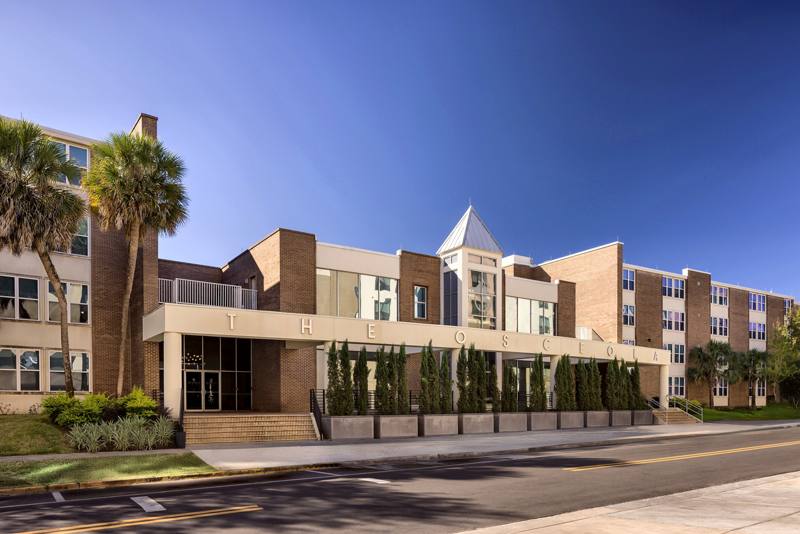
Off campus, a lot of purpose-built student apartments put a bathroom in every bedroom. At The Osceola, for example, every bedroom has its own bath. If you and your roommates keep different hours, that difference shows up every single morning.
How Are Dorm Contracts and Student Leases Different?
A dorm runs on a university housing contract, with terms FSU sets. An off-campus apartment uses a private lease. Many student properties lease “by the bed,” which means you sign for your own bedroom and you’re responsible for your share only, not your roommates’.
Either way, it’s a commitment. Before signing anything, read the terms on moving out early, switching rooms and payment schedules. If this is your first lease, our first-apartment guide explains by-the-bed leases, installments and guarantors in plain English.
How Do Location and Study Space Compare?
A dorm puts you on campus. Plenty of off-campus apartments are close too, so measure it the practical way: how long is the walk to your first class, and what’s nearby for groceries and coffee? Short daily trips add up over a semester.
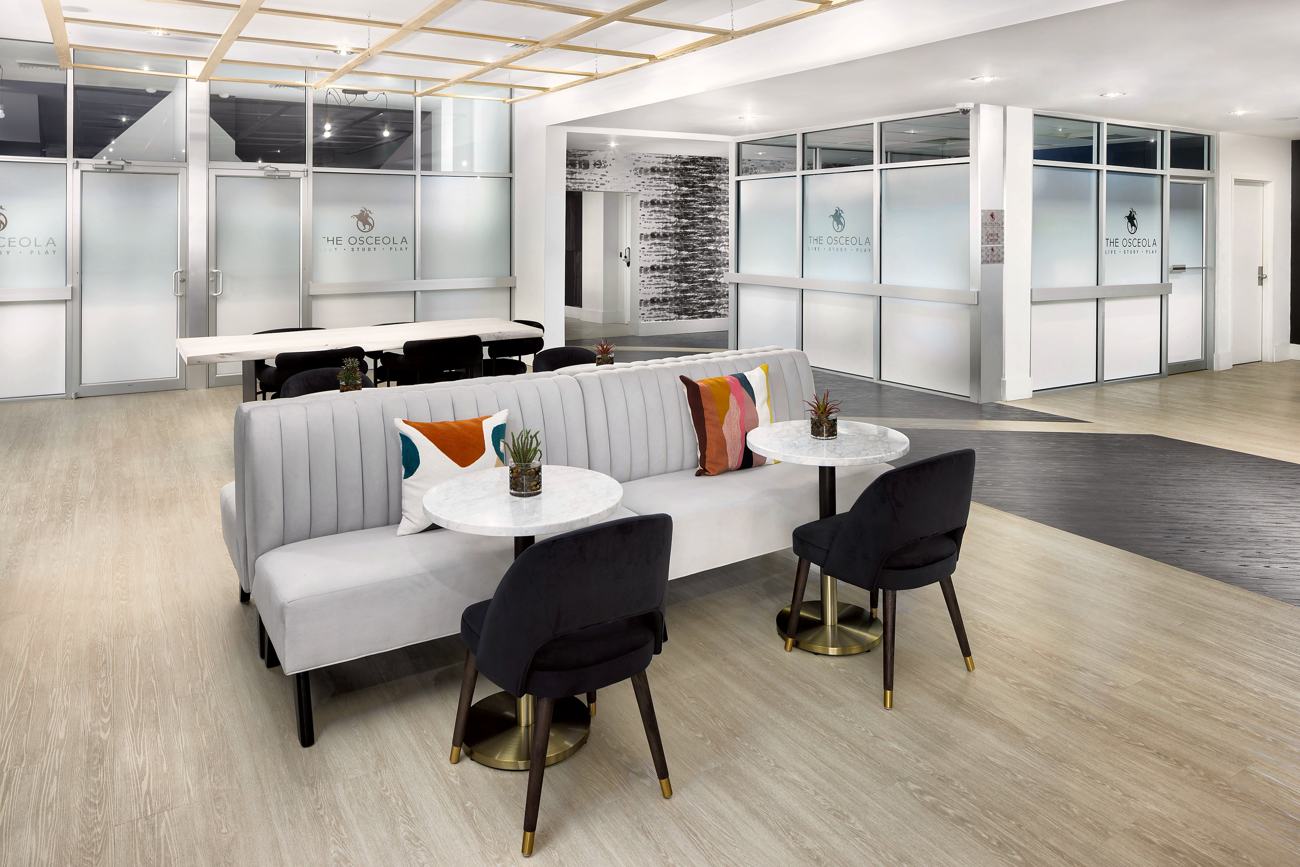
Study space is the thing most students forget to check until midterms. Look at what each building offers, such as quiet study rooms, printing and late-night access. At The Osceola, residents have sound-proof study pods and group study suites with printing; on campus, you have FSU’s libraries and hall study lounges.
What Doesn’t Furnished Housing Cover?
Furnished housing covers furniture, not the everyday things you use. Bedding, towels, dishes, cookware, toiletries and cleaning supplies are usually on you, whether you’re in a dorm or an apartment. Our room-by-room packing checklist walks through it.
Off campus, also ask in writing about parking, application fees and deposits, since these aren’t always part of the monthly rent.
Which Option Tends to Suit Which Student?
There’s no single right answer, but a few patterns hold up:
A dorm often suits you if you want the university to handle the details, you like having one bill that covers utilities and internet, and you’re happy to live on campus.
An apartment often suits you if a private bathroom matters, you want your own lease, and you’ll be in Tallahassee for most of the year anyway.
If you’re torn, run the numbers above with your actual options. The math usually makes the decision clearer.
Questions to Ask Before You Decide
Use the same questions for every place you’re considering:
What’s the total cost for the full contract or lease period?
Does that period include summer?
Are utilities and internet included?
Which furniture and appliances are provided?
Is the bathroom private or shared?
What happens if I need to move out early or change rooms?
Which parking costs, fees and deposits apply?
How long is the walk to class, and what’s nearby?
The Bottom Line
Furnished student housing is worth it when you’re comparing the same things. Put the dorm and the apartment on the same timeline, check what each rate covers, and factor in summer, privacy and location. The cheaper number isn’t always the cheaper choice, and the reverse is true too